


Как выбрать инструменты для пресс-тормоза (Punch & The) Без метода проб и ошибок
Выбор правильного инструмента для пресс-тормоза требует подбора ваших V-образное открытие до толщины материала и выбора геометрии пуансо, которые очищают фланцы деталей. На Дж.С. РАГОС, Мы рекомендуем Правило 8 для мягкой стали, при этом увеличивая множитель для нержавеющей стали для эффективного управления тоннажем и отскоком.
За два десятилетия производства, Мы увидели, что высокоточное изгибание связано не столько с мощностью машины, сколько с синергией между геометрией инструмента и физикой материалов. Независимо от того, управляете ли вы 40-тонный электрический пресс или мощную модель водоизмещением 600 тонн, Устранение метода проб и ошибок требует подхода к выбору инструмента на основе данных.
The "Золотое сечение" Выбор штампов: За пределами Правила 8
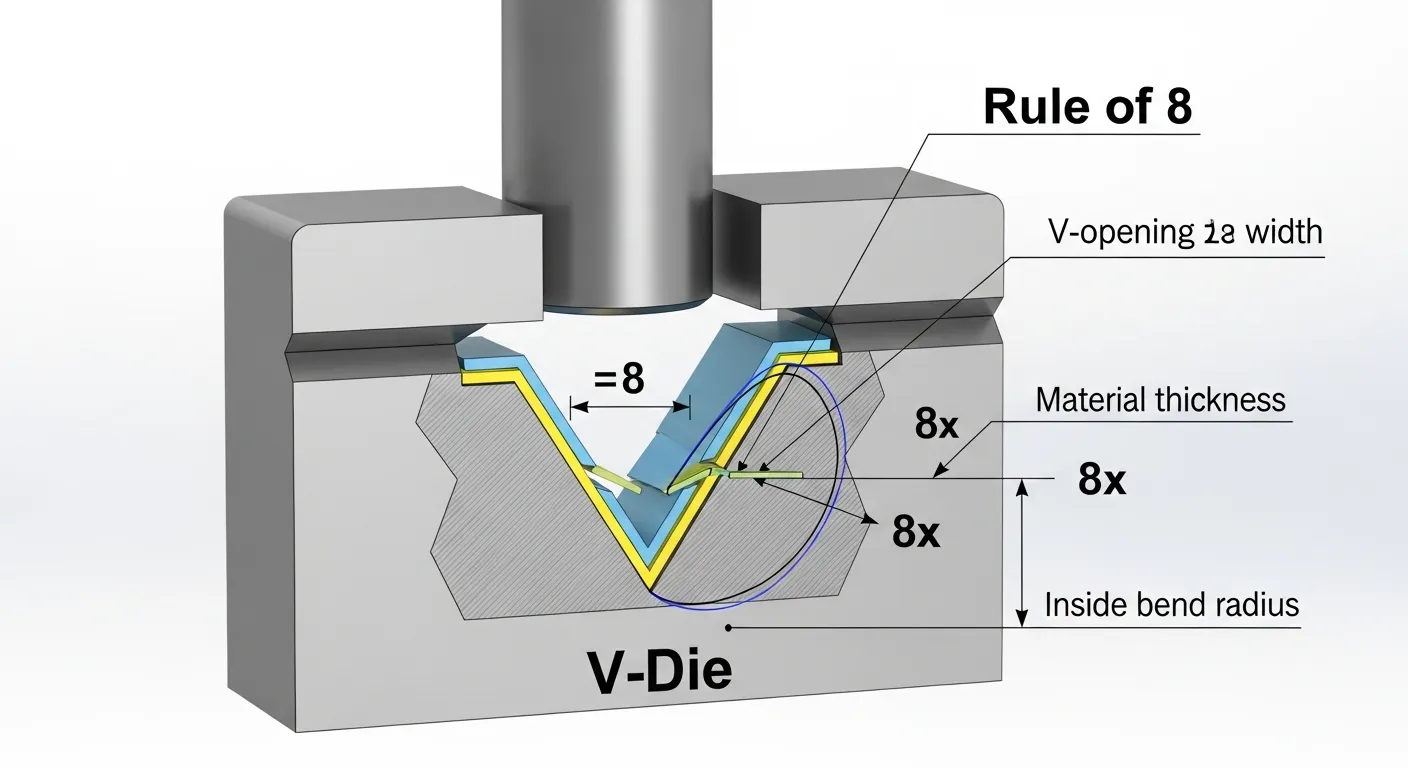
Чтобы выбрать правильное V-образное открытие, Умножьте толщину материала на 8, чтобы мягкая сталь получила стандартный радиус внутри. Для нержавеющей стали, мы предлагаем Множитель 10–12x чтобы учесть более высокую прочность на растяжение, в то время как мягкий алюминий часто требует Множитель 6x чтобы предотвратить появление трещин на поверхности во время изгиба.
На Дж.С. РАГОС, мы используем анализ конечных элементов (УРОДЛИВЫЙ) Чтобы смоделировать, как разные отверстия кристалла влияют на устойчивость кадра. Мы обнаружили, что выбор слишком узкого V-образного отверстия не только увеличивает тоннаж; Он ускоряет износ штемпельных плеч, приводящее к смещению угла со временем.
| Тип материала | Рекомендуемое V-образное отверстие | Получение внутреннего радиуса (Примерно.) | Воздействие на тоннаж |
| Мягкая сталь | 8 x толщина | 1.0 - 1,25 x Толщина | Стандарт |
| Нержавеющая сталь | Толщина 10-12 x | 1.5 - 2.0 x Толщина | Высокий ( 15-20%) |
| Мягкий алюминий | Толщина 6 x | 00,8 x толщина | Низкий (-10%) |
Совет от нашего ведущего инженера: Никогда не полагайтесь только на номинальную толщину. В наших испытаниях на объекте в Фошане, Мы заметили, что изменение толщины листа в 0,1 мм может изменить угол изгиба более чем на 1 градус, если ваш V-образный штамп небольшой. Всегда измеряйте фактическую партию перед установкой.
Геометрия пуансона: Решение "Головоломка столкновения"
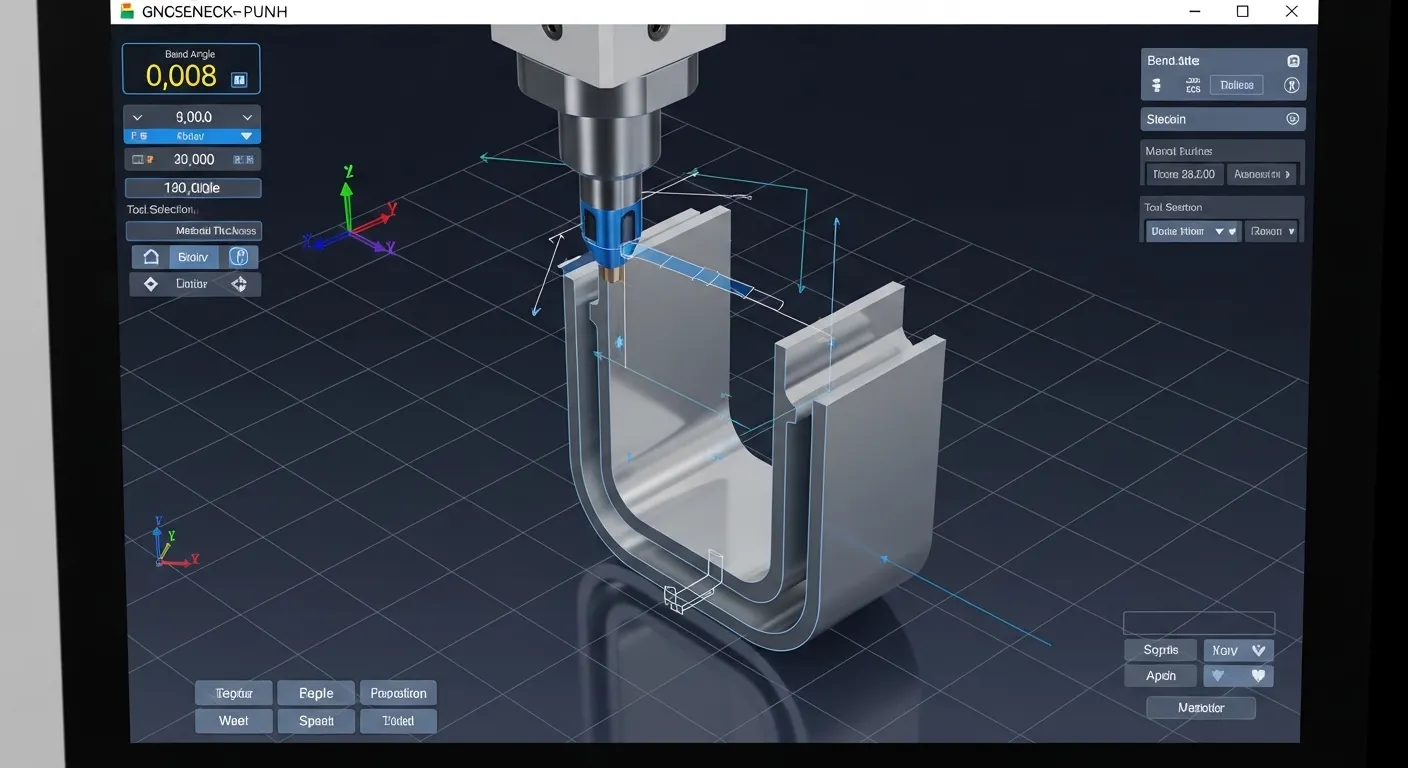
Используйте Удар Гусиной Шеей Когда в конструкции детали есть возвратный фланец, который ударит по стандартному прямому пробиву. Утопленные "горло" обеспечивает необходимый зазор для сложных U-профилей, в то время как Острые удары необходимы для сгибания воздуха и создания первой стадии постоянного подола или складки.
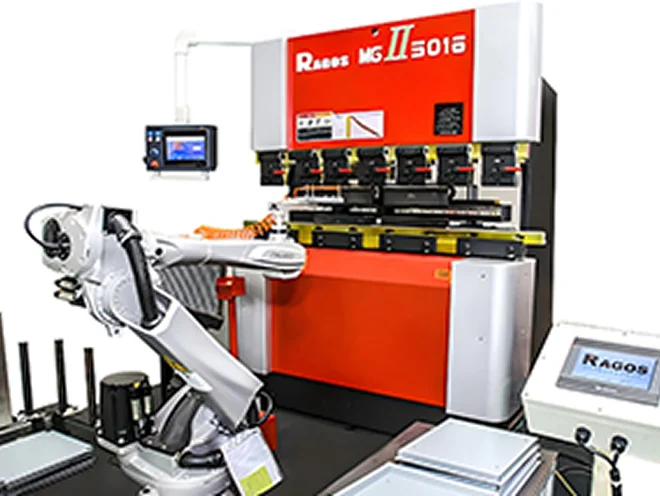
Наш опыт с Инструменты и автоматизация показывает, что большинство "Метод проб и ошибок" Отходы возникают из-за неожиданных помех инструментов. Современные контроллеры ЧПУ, такие как Delem или Cybelec, позволяют запускать 3D-симуляции, но физический инструмент должен идеально совпадать с геометрией цифрового двойника.
- Прямые удары: Лучше всего подходит для простых поворотов под углом 90 градусов, где отсутствуют возвратные фланцы.
- Острые удары: Необходим для любого изгиба, требующего градуса меньше 90, часто используется как "Пред-бенд" для Хемминга.
- Гусиная шея удары: Рабочая лошадка для глубоких каналов и изгиба коробок, где основным ограничением является зазор.
Опыт и доказательства: Недавно мы консультировали магазин в Лос-Анджелесе, который терял 15% своего материала "Удар-удар" Марки. Переключив их на 42CrMo из легированной стали с гусиной шеей, они получили необходимый зазор для воздуховодов HVAC, не жертвуя структурной целостностью инструмента.
Тоннаж & Инструментальный материал: Профилактика "Взрывающиеся инструменты"
Требования к тоннажу масштабируются с учетом квадрат толщины материала, то есть удвоение толщины требует давления в четыре раза большего давления. Чтобы защитить ваше оборудование, Убедитесь, что ваши инструменты изготовлены из термообработанная легированная сталь 42CrMo, которая обеспечивает превосходную устойчивость к деформации по сравнению со стандартной сталью T10, особенно под тяжёлыми нагрузками.
Понимание Стоимость пресс-тормозов ЧПУ включает больше, чем первоначальная стоимость машины; Он включает жизненный цикл ваших расходных материалов. Мы нашли это высокое качество, Лазерно-закалённые инструменты окупаются в течение шести месяцев, поддерживая точность ±0,1° без частой перекалибровки.
Формула расчёта тоннажа:
$$P = frac{k cdot L cdot s cdot t^2}{V}$$
(Где P — сила, s — прочность на растяжение, а t — толщина)
Предупреждающий знак: Если заметишь "Разрастание грибов" Или плоские пятна на плечах штампов, Ваш тоннаж превышает предел текучести инструмента. На Дж.С. РАГОС, Мы обрабатываем каждый инструмент специализированной термической обработкой, чтобы достичь твердости поверхности, которая предотвращает этот тип отказа.
Цифровой рабочий процесс 2026 года: Интеграция с системами ЧПУ
Современное оборудование для пресс-тормозов должно быть полностью отображается внутри контроллера ЧПУ Для обеспечения обнаружения столкновений в реальном времени и автоматической компенсации пружинного отката. Системы, такие как JS RAGOS iMeasure Лазерная проверка обеспечивает точность ±0,1°, напрямую общаясь с конкретной геометрией инструмента и данными материалов, хранящимися в библиотеке.
Вы сомневаетесь между Электрические и гидравлические пресс-тормоза, Цифровая интеграция ваших инструментов остаётся прежней. Библиотека инструментов, читаемая машиной, гарантирует, что ваши пальцы и перфораторы никогда не соприкоснутся при катастрофическом столкновении.
Часто задаваемые вопросы
Хотя это возможно, Он не рекомендуется для высокоточной работы. Использование кристалла, слишком большого для тонкого материала, приводит к искажению радиуса и "Провал" Части, в то время как матрица, слишком маленькая для толстого материала, скорее всего, повредит инструмент или гидравлические уплотнения станка из-за чрезмерного давления.
Ты должен вытирать свои удары и смерти после каждой смены. По нашему опыту, В штампах могут появляться масштаб мельницы и металлическая пыль из углеродистой стали, что затем создаёт "Подсчёт очков" или видимые царапины на будущих деталях из нержавеющей стали или алюминия.
Ты должен вытирать свои удары и смерти после каждой смены. По нашему опыту, В штампах могут появляться масштаб мельницы и металлическая пыль из углеродистой стали, что затем создаёт "Подсчёт очков" или видимые царапины на будущих деталях из нержавеющей стали или алюминия.
42CrMo — это хром-молибденовый сплав, который обеспечивает значительно более высокий уровень "Прочность" и усталостойкость, чем стандартная углеродистая сталь. Это критически важно для операций с ЧПУ, когда инструмент проходит тысячи циклов; это предотвращает трещины или потерю геометрического профиля инструмента со временем.