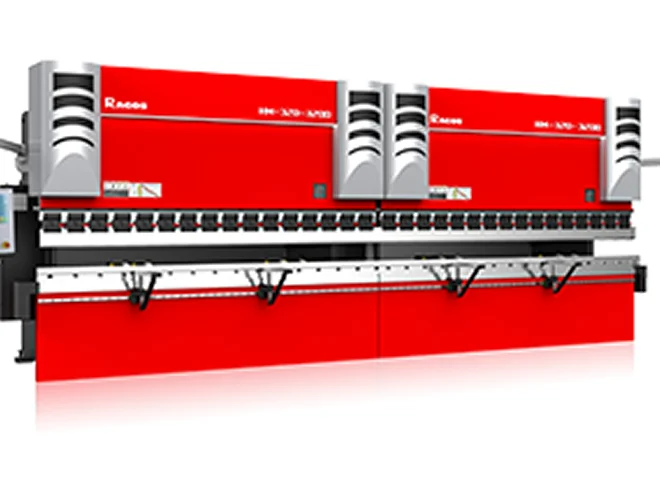
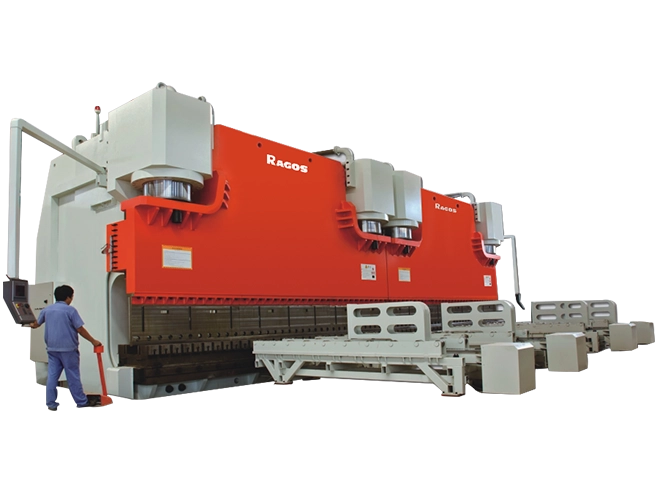
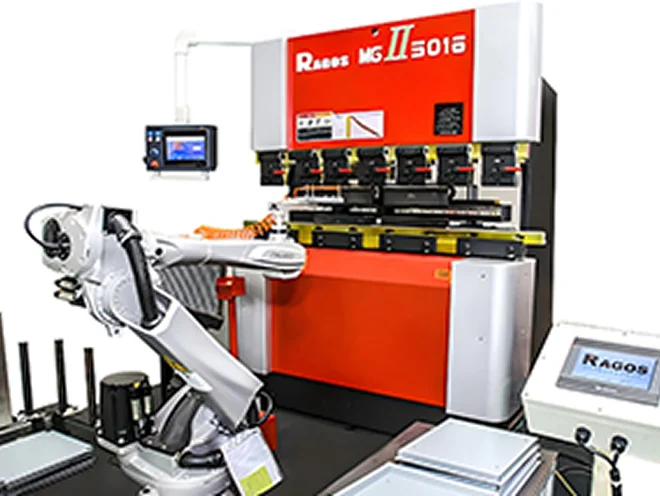
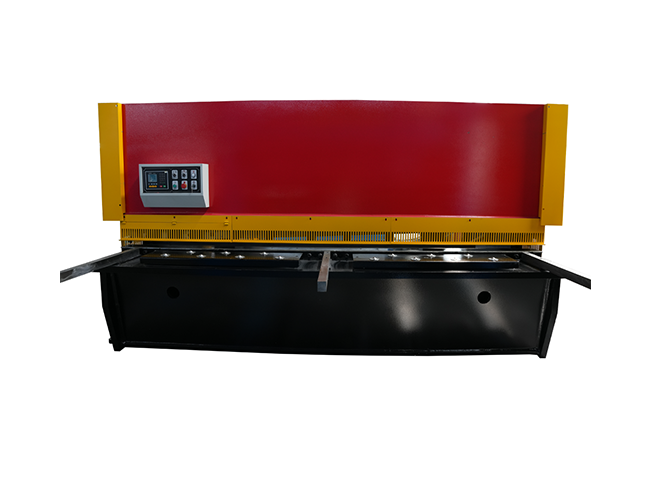

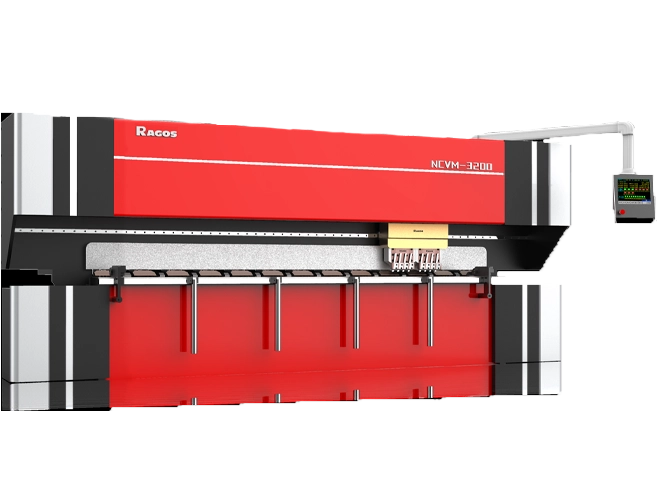


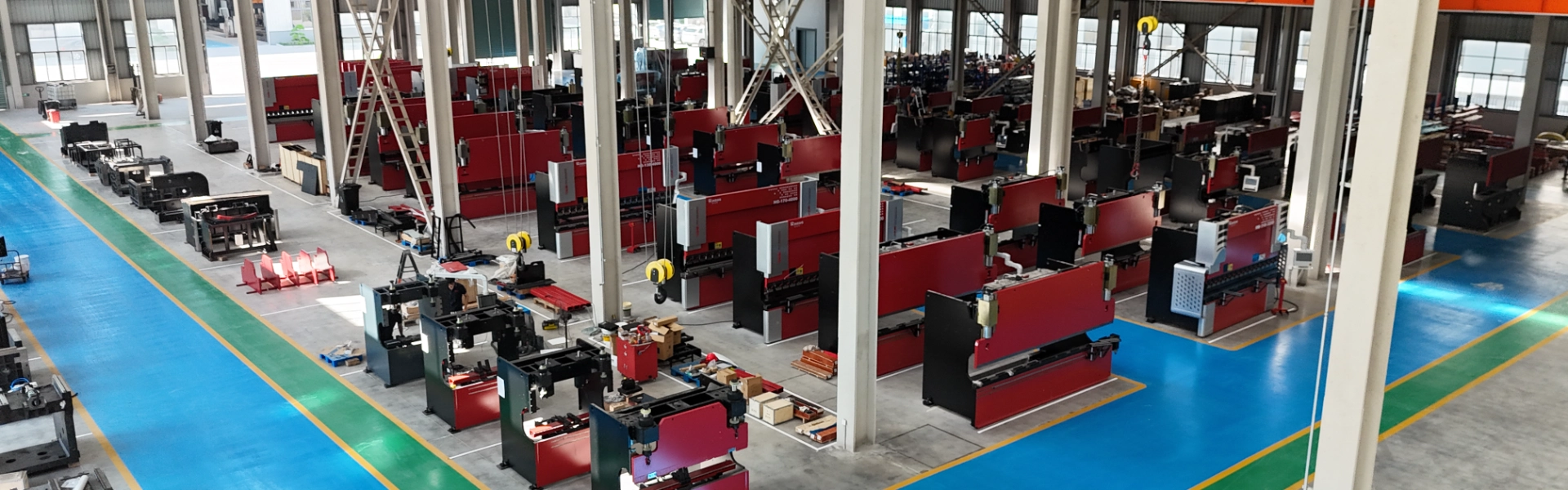
Пресс-тормоз ЧПУ для котельной пластины: Как избежать смещения угла и переработки
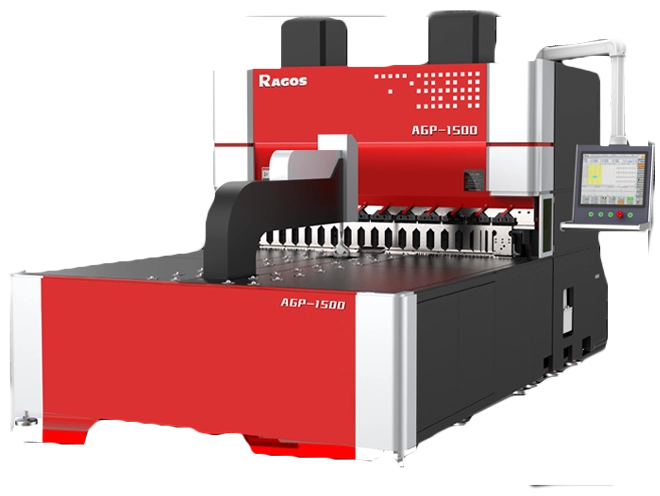
Работа с ЧПУ-пресс-тормозом для котла — это специализированная задача, требующая глубоких знаний о сопротивлении формованию тяжёлых пластин. В отличие от работы с тонкими листами, Котельная пластина включает доминирование деформации из тяжёлого пластика, которое меняет поток металла под давлением. Нужно планировать большой тоннаж, потому что сила, необходимая для перемещения этих толстых участков, огромна. Смещение угла — один из самых больших рисков, с которыми вы сталкиваетесь, так как это может привести к появлению деталей, не соответствующих строгим нормам безопасности для сосудов под давлением.
Затраты на переработку в тяжёлом производстве чрезвычайно высоки, часто требовалось дорогостоящей шлифовки или даже металлолома крупного куска высокой стоимости стали. Вы должны понимать, что отклонение эластичного восстановления толстого сечения сложнее предсказать, чем простой пружинный отклон из листового металла.
В этом руководстве рассматриваются коренные причины нестабильности и способы использования управления ЧПУ для поддержания стабильности процесса. Сосредотачиваясь на жёсткости станка и поведении нагрузок инструментов, Вы можете убедиться, что производство термооборудования соответствует строгим допускам.
Сложности сгибания тяжёлых пластин уникальны и требуют другого набора инженерных триггеров:
- Понимание поведения сдвига нейтральной оси толстой пластины во время циклов высокого давления.
- Управление эффектом памяти напряжений при многопроходном сильном изгибе, который выводит пластину из выравнивания.
- Выявление зон давления с высокой нагрузкой, которые могут повредить каркас машины.
- Расчёт кривой повышения сопротивления текучести пластин для различных сортов сплавов.
Почему для изгиба котла требуется пресс-тормоза с ЧПУ с большим грузоподъёмом
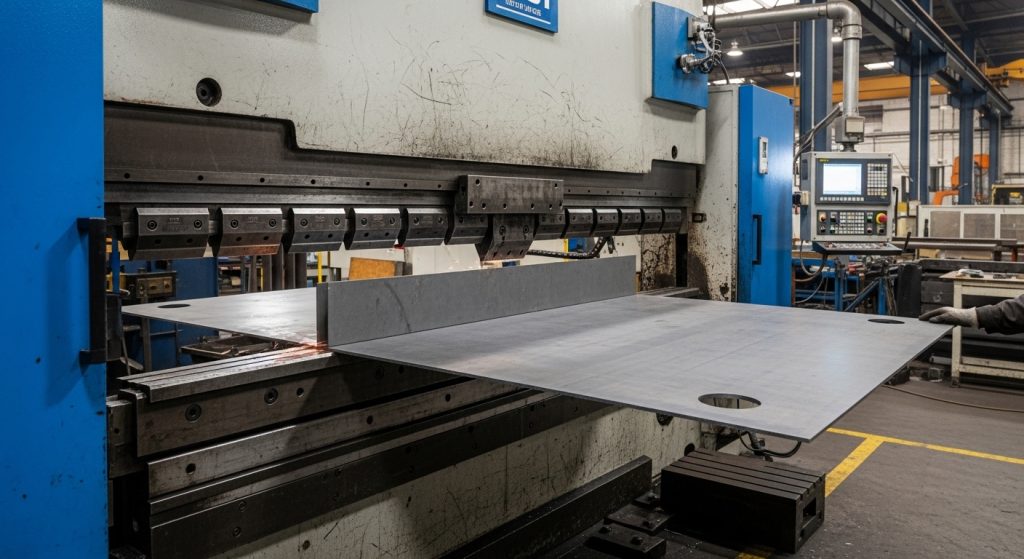
Когда вы переходите к работе с шаблонными пластинами, Вы имеете дело с порогом сопротивления деформации в большой калибровке, который стандартные машины не могут достичь. Вам нужен пресс-тормоз с ЧПУ с гидравлической системой стабилизации с большим грузом, чтобы удерживать рам устойчивым при экстремальных нагрузках.
- Контроль сопротивления: Вам нужно преодолеть схему распределения нагрузки на сжатие пластины, которая борется с инструментом.
- Жёсткость рамки: Тяжёлая машина предотвращает риск угла изгиба рамы,, что происходит, когда машина "Зевота" Под давлением.
- Запасы безопасности: Всегда стоит иметь буфер для планирования запаса нагрузки, чтобы не работать гидравлика на 100% мощности.
- Точность позиционирования: Даже при высокой силе, ЧПУ должен поддерживать точное положение огня, чтобы угол правильный.
Жёсткость машины — основа точности. Если рама машины гнётся, Ваш угол никогда не будет одинаковым по всей длине пластины. Высокотоннажные ЧПУ-системы спроектированы так, чтобы компенсировать эту гибкость, Обеспечивая равномерное прикладывание давления от одного конца штампца к другому.
Распространённые материалы котловых пластин и их поведение при изгибе
Разные классы пластин уникально реагируют на процесс формования. Вы должны регулировать тоннаж и изгиб в зависимости от кривой устойчивости текучести сосуда для каждого материала.
| Материал | Поведение при изгибе | Инженерная заметка |
| Углеродная котельная пластина | Надёжное формование | Самая предсказуемая пластина для устойчивости по углу |
| Класс сосуда под давлением | Высокое сопротивление | Для управления давлением требуется широкие V-образные штампы |
| Высокотемпературный сплав | Экстремальное сопротивление формированию | Рост деформационного сопротивления сплаву при высоких температурах резкий |
| Нержавеющая котельная пластина | Высокий спрингбек | Эффект усиления высокопрочной пружинной пластины огромен |
Углеродные стандарты — это рабочая лошадка отрасли, но высоколегированные пластины, используемые для химических резервуаров, обеспечивают гораздо более высокое усиление давления при формировании пластин. Вы обнаружите, что нержавеющие сорта требуют значительно большего изгиба из-за их эластичного восстановления. Понимание этих материальных различий — единственный способ избежать "Пробы и ошибки" Подход, который тратит дорогие акции впустую.
Коренные причины смещения угла при тяжёлом изгибе котловых плит
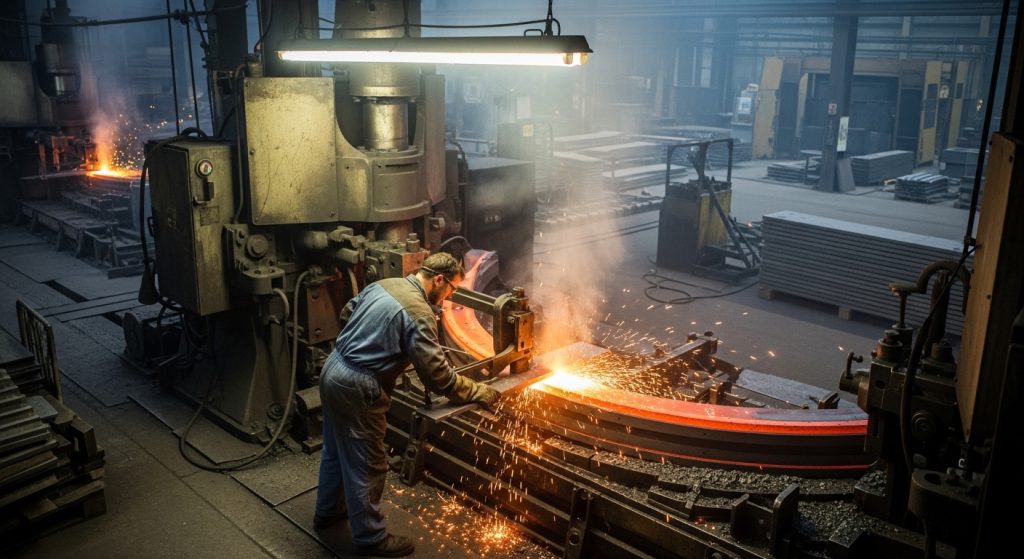
Смещение угла происходит, когда окончательный изгиб не совпадает с запрограммированным углом, часто варьируясь от одного конца до другого. Обычно это вызвано отклонением эластичного восстановления толстого сечения, которое не было должным образом учтено.
Факторы станка и инструментов:
Если рама или стол неравномерно сгибаются, Вы получаете эффект дисбаланса нагрузки при отклонении RAM. Это приводит к "Лодка" Форма, где середина изгиба шире концов. Кроме того,, Риск пластичной деформации плеча инструмента увеличивается при большом тоннаже. Если штамповик слегка сплющивается, Ваш угол будет дрейфовать за одно смещение.
Материальные факторы:
Поведение перераспределения напряжений остатков пластин — ещё одна важная причина. Каждая пластина испытывает внутренние нагрузки от прокатного стана.. Когда вы сгибаете пластину, Эти напряжения освобождаются, из-за того, что деталь скручивается или выгибается. Именно эта нестабильность распределения напряжений при изгибе пластин объясняет, почему система ЧПУ с измерением угла в реальном времени так ценна в тяжёлых мастерских.
Стратегии выбора инструментов для устойчивости формования котловых пластин
Ваши инструменты должны быть сконструированы так, чтобы выдерживать окно колебаний сильной формовки при работе с плитами. Стандартные инструменты быстро выходят из строя под таким давлением, что приводит к прорыву порога усталостной нагрузки конструкции инструмента.
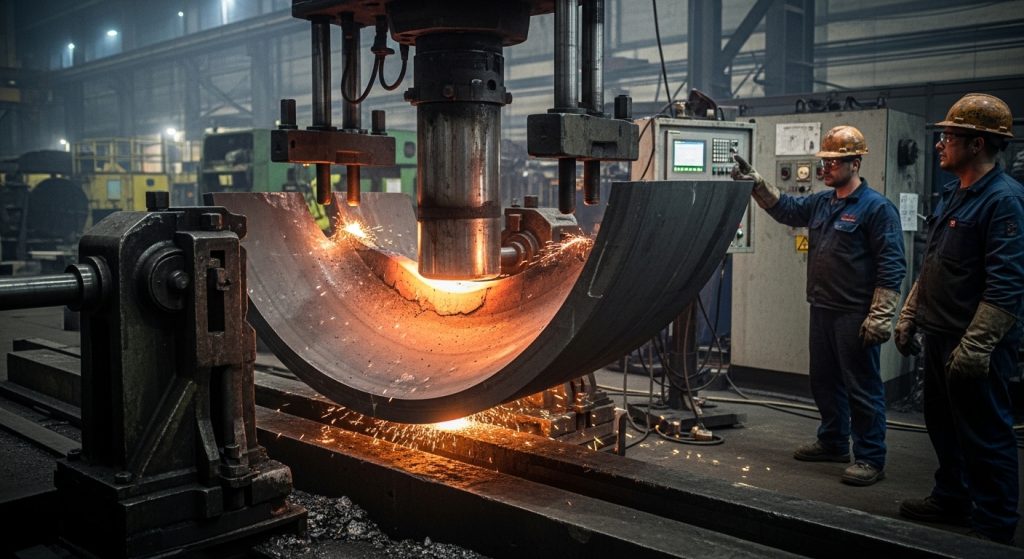
- Твёрдость — ключ: Используйте крепкие инструменты с высокой твёрдостью, которые не деформируются под нагрузкой в тысячу тонн.
- Проколы с большим радиусом: Выбор пуансона с большим радиусом обеспечивает снижение пластических деформационных напряжений, Предотвращение использования инструмента "трещины" внешняя сторона пластины.
- Широкие V-образные штампы: Для снижения необходимой тоннажа и защиты поверхности детали необходим широкий V-образный эффект распределения давления в плечевом штампе.
- Контактные зоны: Используйте зону стабилизации давления с тяжёлыми контактами на штампах, чтобы предотвратить проскальзывание пластины во время хода.
Использование слишком узкого V-образного отверстия — это рецепт катастрофы. Это приводит к резкому росту давления и может привести к обрушению инструмента. Расширяя букву V, Вы распределяете нагрузку на большую площадь, что стабилизирует изгиб и делает пружинный откат более предсказуемым.
Как толщина пластины быстро увеличивает силу формирования и нестабильность угла
Нужно соблюдать кривую масштабирования сопротивления поперечного сечения пластины. В работе с тяжёлыми пластинами, требуемая сила экспоненциально увеличивается с толщиной, Следуя поведение нагрузки с деформацией толщины куба.
| Толщина пластины | Необходимая относительная сила | Риск стабильности |
| 10 мм | Базовая сила | Низкий риск дрейфа |
| 20 мм | ~4x Базовая Сила | Умеренная вариабельность пружинного обратного цикла |
| 30 мм | ~9x Базовая Сила | Высокий риск прогиба оперативной памяти |
| 40 мм | ~16x+ Базовая Сила | Неустойчивость при углу сгибания при большом изгибе нагрузки |
Такой экспоненциальный рост давления означает, что небольшое увеличение толщины может вывести вашу машину за предел её предела. Если ошибёшься в расчёте, Вы рискуете структурной усталостью пресс-тормоза. Необходимо использовать точные таблицы тоннажа и убедиться, что контроллер ЧПУ настроен на правильную толщину материала и V-образное отверстие, чтобы предотвратить перегрузку.
Методы настройки для снижения переработки при изгибе плит котла
Снижение доработки начинается с умной настройки и прогрессивной стратегии управления калибровкой нагрузки. Никогда не стоит целиться в финальный угол при первом ударе толстой пластины.
- Стратегия Test Bend: Используйте обрезок той же партии, чтобы найти настоящий источник.
- Прогрессивная глубина: Используйте метод итерации с коррекцией угла и устойчивости, Наклон на несколько градусов ниже, а затем регулировка глубины.
- Релаксация стресса: Реализуйте управление временем релаксации напряжения пластины, удерживая рамку внизу несколько секунд, чтобы атомы могли расслабиться "Успокойся."
- Проверка выравнивания: Используйте протокол проверки угла повторения сильного изгиба, проверяя оба конца детали после первого удара.
Сделав эти шаги, Ты ловишь дрифт до того, как он станет постоянной ошибкой. В тяжёлом производстве, гораздо проще согнуть деталь дальше, чем пытаться и "unbend" кусок 40-мм пластины, чрезмерно сжатый.
Распространённые ошибки при изгибе тяжёлых пластин, которые приводят к металлолому или переделке
Избегание этих распространённых ошибок защитит ваше оборудование и сроки проекта. Большинство переделок в котельных цехах происходит из-за игнорирования базовой физики формования с большим грузом.
- Небольшие штампы: Это вызывает локализованное инициирование перелома шипа натяжения пластины на внешней стороне изгиба.
- Усталость инструментов: Игнорирование признаков обрушения или перегрузки инструмента может привести к внезапному конструктивному разрушению.
- Плохая компенсация: Сильное восстановление эластичности при компенсации приводит к тому, что детали не подходят к цилиндрической оболочке.
- Трещины на краях: Отсутствие проверки зоны распространения микротрещин на краю пластины может привести к катастрофическому отказу при испытаниях под давлением.
Выбор правильного пресс-тормоза с ЧПУ для производства тяжёлых котельных пластин
Инвестирование в Жёсткость пресс-тормозов с высокой тоннажной пластиной Платформа — единственный способ справляться с напряжёнными задачами. Вам нужен станок с высокой нагрузкой, обеспечивающей гидравлическую устойчивость, чтобы предотвратить дрейф тарана. Ищите платформу с повторяющим углом для формования пластин, которая способна выдерживать нагрузки массой в тысячу тонн день за днём. Архитектура совместимости с тяжёлыми инструментами обеспечивает использование массивных штампов, необходимых для работы с сосудами под давлением.
Когда алюминиевая плита требует другой стратегии изгибающей нагрузки
Вам стоит использовать Алюминиевый листовой пресс-тормоз Подход даже для толстых участков, поскольку диапазон неустойчивости деформации толщиной алюминия уникален. В отличие от стали, Вы столкнётесь с низкой твердостью и тяжёлой секцией, создающей риск обрушения. Поведение алюминиевого упругого восстановления с тяжёлым сечением отличается от стали, И нужно следить за риском перелома радиуса изгиба алюминия толщиной пластины, если ваш удар слишком резкий.
Чем отличается формовка листовой стали от тяжелого изгиба котловых плит
A Листовой стальной пресс-тормоз работает в зоне доминирования упругой деформации из листовой стали, где всё гораздо легче. Вы имеете дело с равномерным распределением нагрузки на тонкий материал и окном устойчивости при формировании листов при низком давлении. Контраст поведения пружинного появления листа и пластины резкий; Пластина требует гораздо большего внимания к внутренней структуре зерна и снятию напряжений, чем тонкий лист.
Уроки по устойчивости изгиба панелей HVAC при изгибе толстоколейных панелей
Вы можете подать заявку Пресс-тормоз HVAC Уроки по тяжёлым воздуховодам с акцентом на устойчивость формирования фланцев на панелях тяжёлых воздуховодов. Они используют метод компенсационного изгиба с крупной панелью, который жизненно важен для длинных секций котлов. Управление стратегией распределения нагрузки при изгибе швов панелей помогает сохранить квадратность конструкции. Даже контроль прямолинейности с изгибом длинных кромок с тяжёлым листом направлен на предотвращение прогиба материала под собственным весом.
Проблемы с пружинным откатом и термостойкостью формовки из нержавеющей котельницы
Работа с Пресс-тормоз из нержавеющей стали Вам нужно управлять усилением восстановления упругости из нержавеющей тяжёлой пластины. Эти сплавы часто демонстрируют повышение давления из термостойкого сплава, которое может удивить оператора. Нужно обратить внимание на наличие нержавеющей поверхности, которая может повредить деталь. Всегда используйте запас угла компенсации с высоким сплавом тяжёлых пластин, чтобы попасть в цели.
Инженерные методы снижения пружинного отступа при изгибе тяжёлых листов с ЧПУ
Чтобы по-настоящему овладеть точностью, Тебе стоит Уменьшить откат пружины использование стратегии компенсации упругого восстановления. Попробуйте многоступенчатую технику формования с сильным изгибом и снятием напряжений, чтобы металл расслабился между ударами. Увеличение глубины проникновения инструмента, способ контроля пружинной отбрасывания — стандартный способ борьбы с упругим возвратом. Наконец, Техника нейтрализационного сгибания с остатками напряжений на пластинах помогает сохранить устойчивость детали после её выхода из станка.