
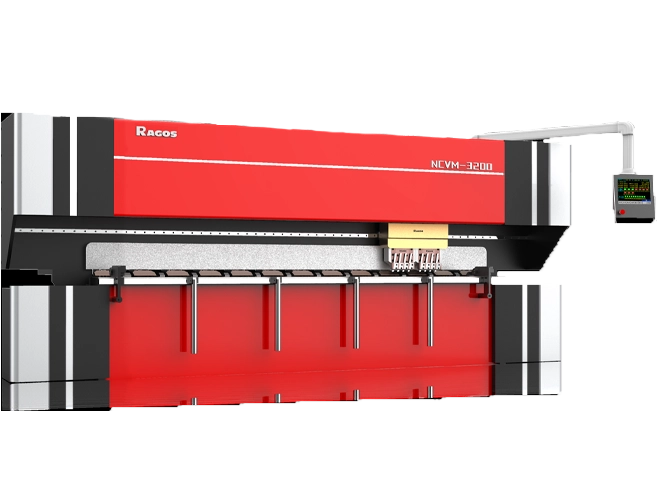


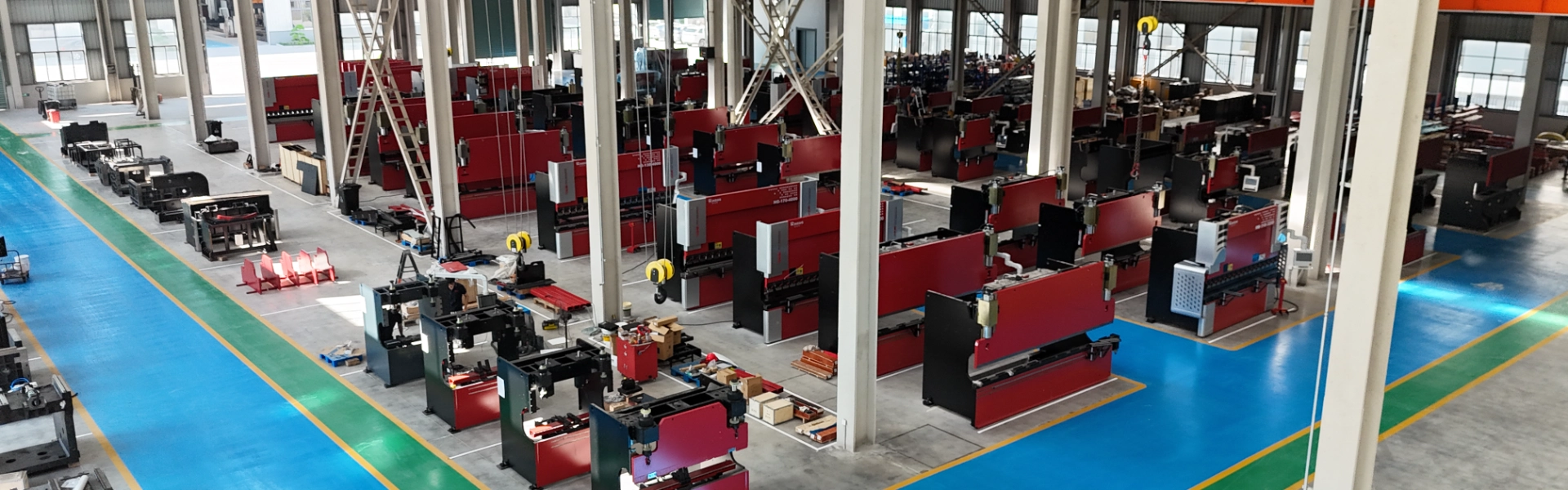
Полностью электрический пресс-тормоз с ЧПУ: Полное руководство покупателя на 2026 год
Aполностью электрический пресс-тормоз с ЧПУ полностью заменяет гидравлический силовой агрегат — используя сервомоторы и шариковые винты для создания и контроля силы изгибания без единой капли гидравлического масла. Насос не работает на холостом ходу. Масло не нужно менять. Нет времени на разминку. В результате получилась машина, обеспечивающая самую высокую точность позиционирования среди всех современных технологий пресс-тормозов, в сочетании с минимальным энергопотреблением за цикл изгиба.
В этом руководстве подробно объясняется, как работает полноценная электрическая технология, Какие характеристики проверять, Где это лучше всего подходит для производственной среды, и где находятся его реальные пределы.
Как работает полностью электрический пресс-тормоз с ЧПУ
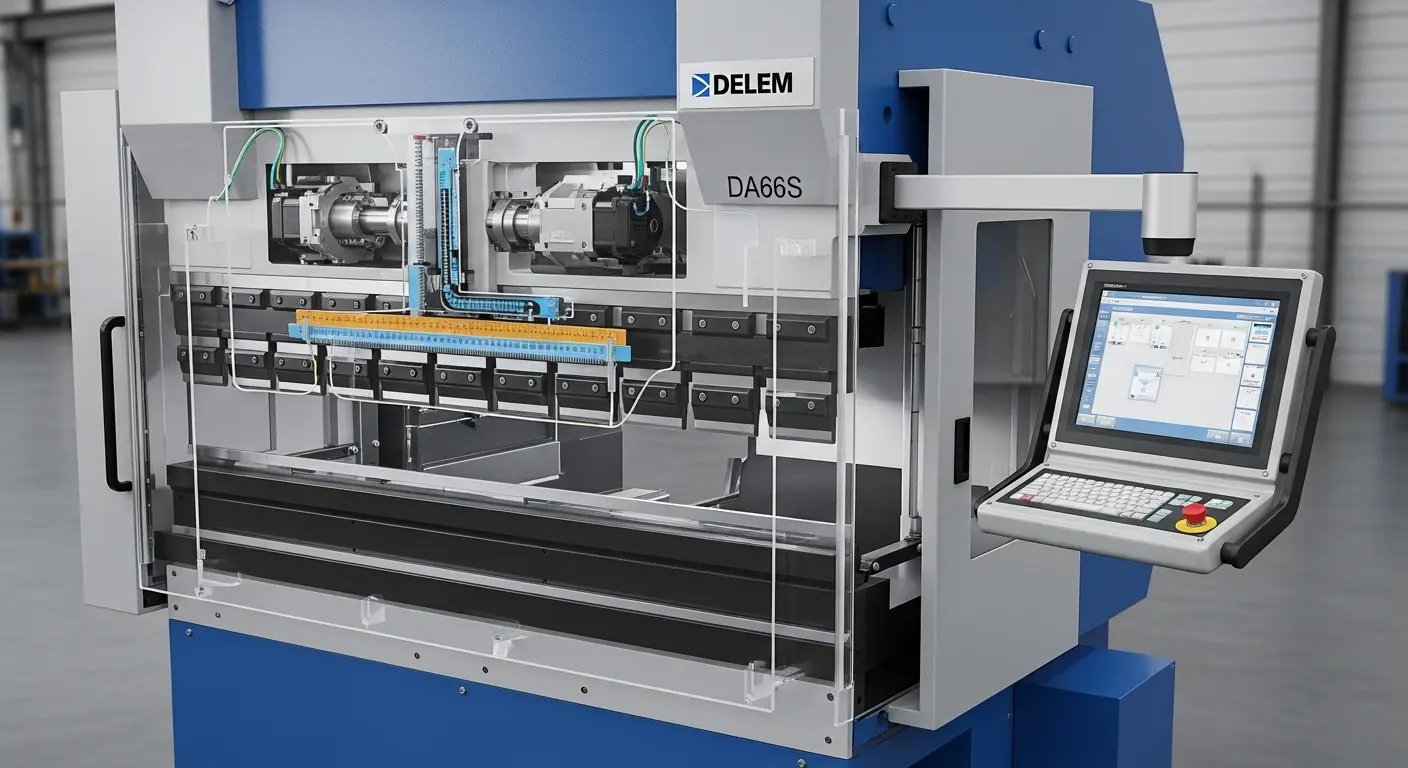
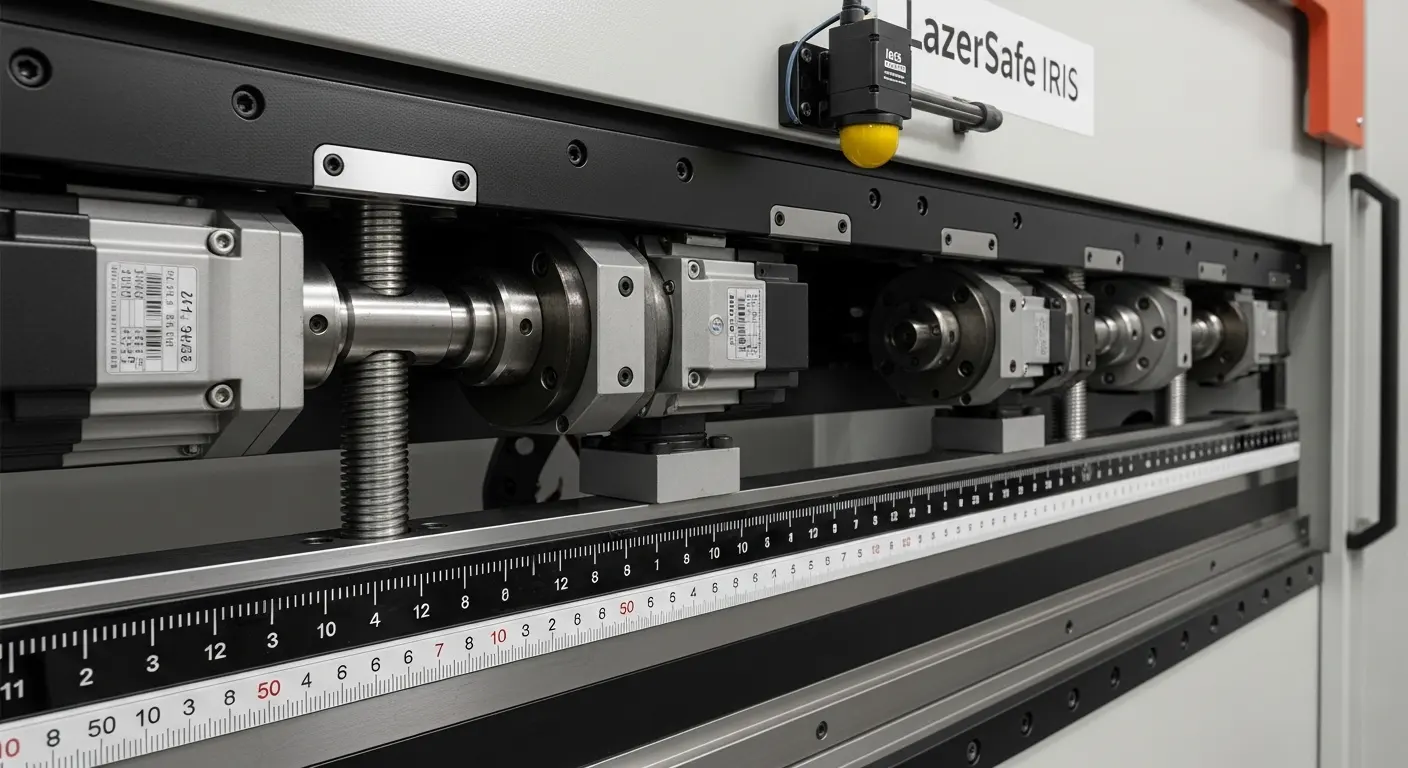
Aполностью электрический пресс-тормоз с ЧПУ создает силу изгиба с помощью сервомоторов, соединённых с точными шариковыми винтами. Когда система управления командует изгибом, Сервомоторы вращают шариковые винты, которые приводят RAM вниз с измерением, Программируемый силой. Обратная связь от линейных энкодеров или решеточных линейок замыкает цикл, Поэтому машина корректирует свою позицию в реальном времени с точностью до ±0.001 мм на высококлассных системах.
В трансмиссии нет гидравлической цепи. Это исключает работу асинхронного двигателя, Гидравлический насос, Гидравлический коллектор, Уплотнения цилиндров, и система фильтрации масла — всё одновременно. Остаётся механически проще, электрически точен, и значительно чище в рабочей среде.
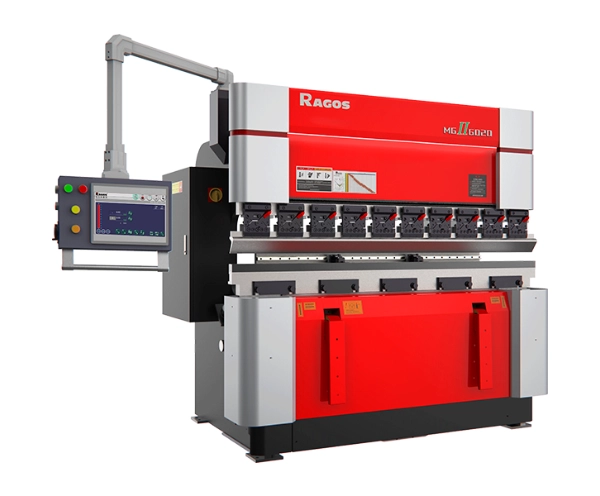
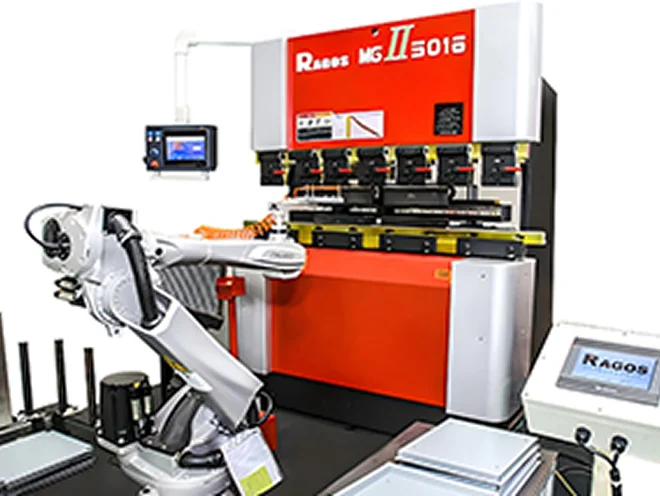
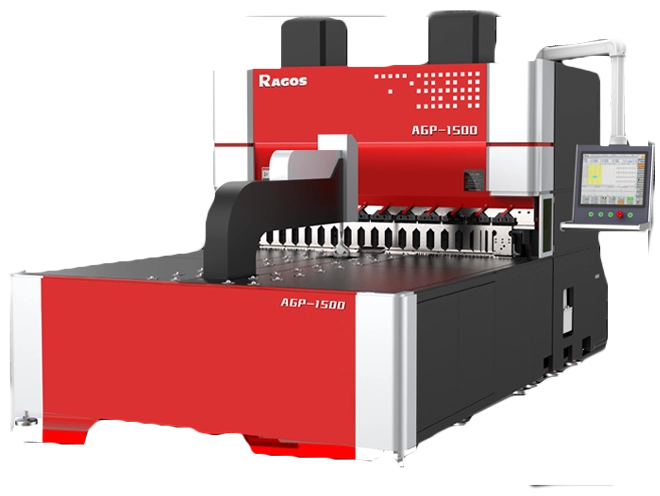
Электрический пресстормоз JS RAGOS используетДвойные шариковые винтовые приводы синхронизировано с помощью обратной связи решетки в реальном времени для обеспечения точности позиционирования ±0.03 мм. Контроллер Delem DA66S управляет полным профилем движения — скоростью подхода, Скорость сгибания, Декомпрессия, и return — все программируемые для каждой части, на шаг, и по материалу. Полный диапазон характеристик от 25T до 100T доступен наСтраница продукта для электрических пресс-тормозов JS RAGOS.
Полностью электрическая версия против. Гидравлические против. Сервогибрид — прямое сравнение
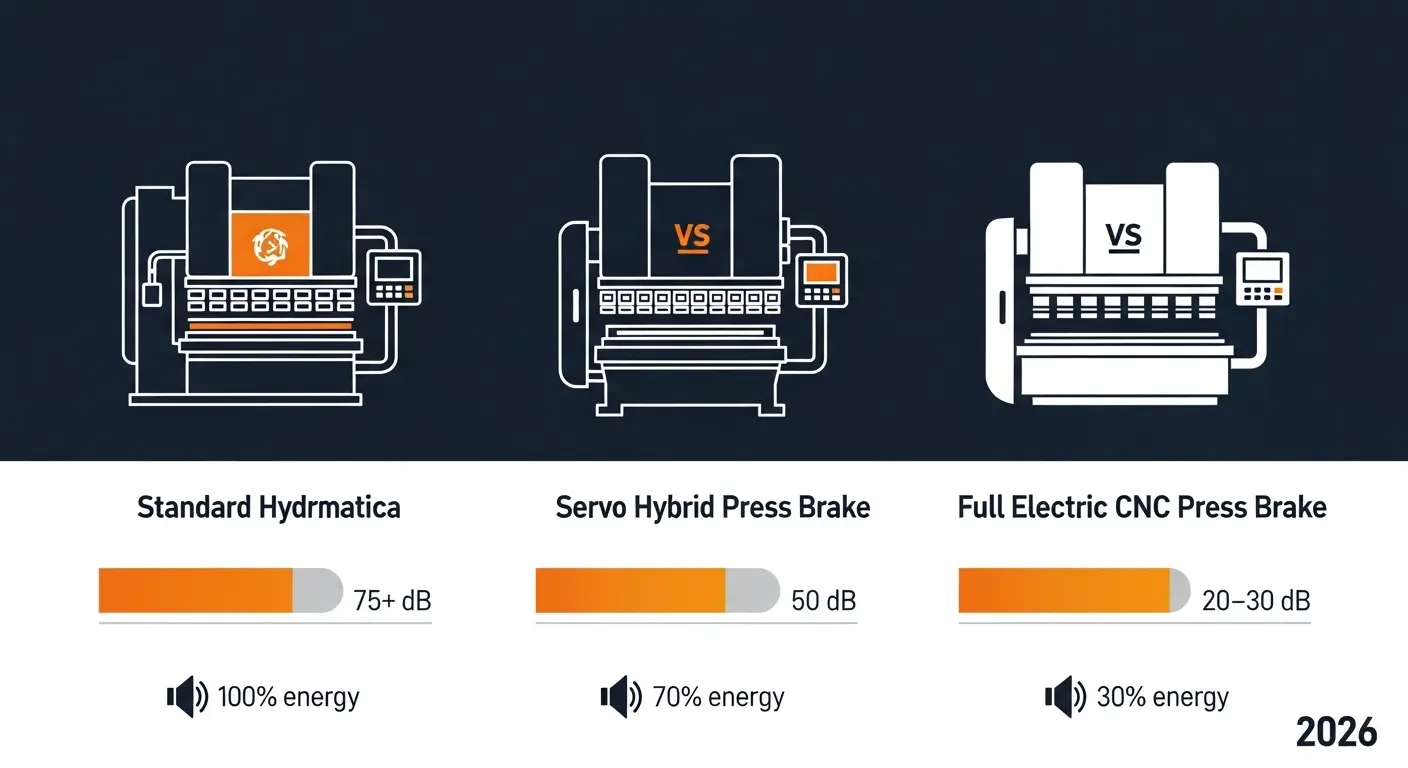
Выбор между дисковыми системами требует конкретных данных, Не общие заявления. Вот как три технологии сравниваются по наиболее важным показателям производства:
| Технические характеристики | Стандартная гидравлика | Серво-гибрид | Полностью электрический пресс-тормоз с ЧПУ |
|---|---|---|---|
| Точность позиции | ±0.01 мм | ±0.005 мм | ±0.001–0.03 мм |
| Энергопотребление (против. гидравлический) | 100% базовый уровень | 50–70% | 20–30% |
| Уровень шума | 75 дБ | ~50 дБ | ~20 дБ |
| Требуется время для разминки | 15–30 мин | Менее 5 минут | Нет |
| Максимальный тоннаж (текущий) | 600T | 600T | ~100Т |
| Требуется гидравлическое масло | Да | Да (уменьшен) | Нет |
| Точность повторения | ±0.01 мм | ±0.005 мм | ±0.001 мм |
| Лучший ассортимент материалов | 1–12 мм | 1мм–10мм | 00,3–6 мм |
Theполностью электрический пресс-тормоз с ЧПУ Лидеры в области точности и энергопотребления. Компромисс — грузоподъёмность — системы с шариковым винтовым приводом сейчас достигают максимума около 100 тонн для коммерческих производственных машин. Для мастерских, работающих выше этого диапазона, Более подходящей технологией является серво-гибридная пресс-тормозная машина.
Для полного бокового поломки, охватывающего обе приводные системы, темЭлектрические против. Руководство по сравнению гидравлических пресс-тормозов Прогулки по производственным сценариям, Затраты на обслуживание, и общие данные о владении во всех трёх конфигурациях.
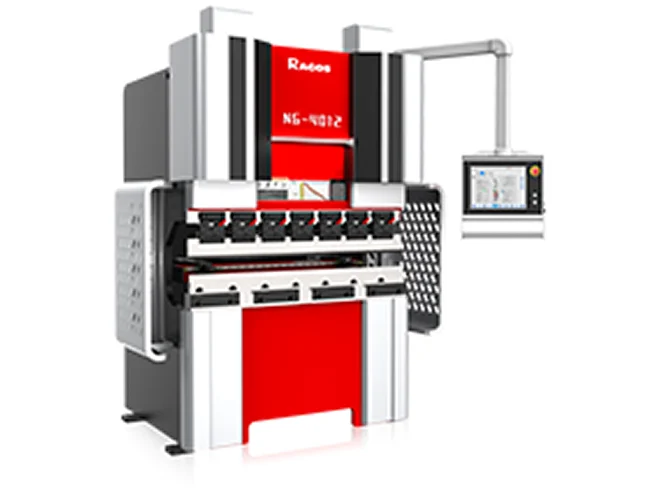
JS RAGOS Полностью электрический пресс-тормоз с ЧПУ: Технические характеристики серии NG
Серия JS RAGOS NG охватывает весь спектр коммерчески значимых полностью электрических конфигураций пресс-тормозов с ЧПУ:
| Модель | Тоннаж | Длина кровати | Оси | Общая мощность |
|---|---|---|---|---|
| NG-2508 | 25T | 800 мм | 3-оси | 9,4 кВт |
| NG-3512 | 35T | 1200 мм | 4-осевой | 11,8 кВт |
| NG-4015 | 40T | 1500 мм | 6-осевой | 18,8 кВт |
| NG-6020 | 60T | 2000 мм | 6-осевой | 19,5 кВт |
| NG-8025 | 80T | 2500 мм | 6 осей 1 | 42,3 кВт |
| NG-1003 | 100T | 3200 мм | 6 осей 1 | 46,3 кВт |
Каждая машина серии NG поставляется сКонтроллер ЧПУ Delem DA66S, Световая занавеска LazerSafe Iris, Быстрозаменяемые зажимы в стиле Amada, и42CrMo термообработанные инструменты как стандартная конфигурация. NG-4015 и выше оснащены двойными сервомоторами — по одному с каждой стороны тарана — для независимой синхронизации влево/вправо без гидравлической компенсации.
Особенно для покупателей класса 40 тонн, темСтраница по электрическим пресс-тормозам JS RAGOS 40 тонн подробно описывает конфигурацию NG-4015, включая варианты по осям, Характеристики контроллера, и совместимость инструментов.
Ключевые преимущества полностью электрического пресс-тормоза с ЧПУ
Нулевое время разминки
Обычный пресс-тормоз требует 15–30 минут прогрева, чтобы довести гидравлическое масло до рабочей температуры перед возможным точным изгибом. Aполностью электрический пресс-тормоз с ЧПУ начинается холодно и с самого первого цикла изгибается до максимальной точности. Для мастерских, работающих с несколькими короткими сменами, Пакетная работа, или частые расписания старта и остановок, Это устранение разминки напрямую приводит к увеличению продуктивных часов.
До 80% снижение энергопотребления
Стандартный гидравлический пресс-тормоз работает на насосном двигателе непрерывно мощностью 15–22 кВт. Полный электрический пресс-тормоз JS RAGOS NG-4015 работает с общей мощностью 18,8 кВт — но использует эту мощность только при активном движении огня. В типичном производственном цикле, когда оперативная система активно движется в течение 30–40% от общего времени работы машины, эффективное энергопотребление снижается примерно до 20–30% от потребления сопоставимой гидравлической машины.
Для 40-тонной машины, работающей по 8 часов в сутки, 300 дней в году, Это означает экономию примерно в 8 фунтов,000–12,000 кВт·ч в год — стоимость $960–$1,440 по стандартным промышленным тарифам на электроэнергию.
Почти бесшумная операция
При рабочем шуме примерно 20 дБ, aполностью электрический пресс-тормоз с ЧПУ тише, чем обычный разговор. Для изготовления мастерских в городских районах, Общие промышленные здания, Среды производства медицинских устройств, или объекты с строгими требованиями к шуму, акустическая разница по сравнению с гидравлическим станком 75 дБ имеет рабочее значение.
Никакого гидравлического масла — никогда
Исключение гидравлического масла устраняет одну из основных категорий обслуживания. Без замены масла, Без замены фильтров, Никаких проверок на уплотнения, и отсутствие риска загрязнения гидравлическим маслом на готовых деталях или рабочих поверхностях. Для производителей, производящих пищевое оборудование, Медицинские устройства, или электронные корпуса, полностью электрический пресс-тормоз с чистым процессом устраняет источник риска загрязнения, который гидравлические машины по своей природе несут.
Где полностью электрический пресс-тормоз с ЧПУ показывает лучшие результаты
Не каждая фабрика одинаково выигрывает от полностью электрических технологий. Производственные среды былиполностью электрический пресс-тормоз с ЧПУ обеспечивает наибольшую отдачу от инвестиций:
Прецизионное производство тонкоколейки. Толщина листового металла от 0,3 мм до 3 мм — нержавеющая, алюминий, медь, оцинкованная сталь — требуют строгих допусков угла, которые обеспечивают системы с шариковым винтом более стабильны, чем гидравлические машины. Корпуса для электроники, Корпуса медицинских устройств, и все архитектурные панели относятся к этой категории.
Хай-микс, Малообъёмные предприятия. Полностью электрические машины мгновенно переключаются между программами — без разогрева, Нет регулировки гидравлического давления, Без периода ожидания. Мастерская, исполняющая 15–20 различных номеров деталей за смену, получает реальный производственный срок благодаря этой гибкости.
Экологически чувствительные или прилегающие помещения с чистыми помещениями. Отсутствие гидравлического масла означает отсутствие риска загрязнения из-за поломок уплотнений, Масляный туман, или проливы. Это делаетполностью электрический пресс-тормоз с ЧПУ предпочтительным выбором для предприятий, работающих по стандартам ISO чистых комнат или почти чувствительных производственных процессах.
Первая покупка машины для новой мастерской. Полностью электрический пресс-тормоз с ЧПУ требует более простой электрической установки, чем крупная гидравлическая машина. Гидравлической системы для эксплуатации не существует, Отсутствует требование в фундаментной яме для сбора масла, и никаких специализированных сантехнических работ. Хорошо организованная первая установка обычно занимает 1–2 дня от доставки до первого производственного сгиба.
Для покупателей, рассматривающих компактную площадь, Конфигурация начального уровня, темЛинейка машин для гибки пресс-тормозов JS RAGOS CNC охватывает как стандартные, так и полностью электрические конфигурации от 25T и выше с прямым сравнением характеристик..
Ограничения полностью электрического пресс-тормоза с ЧПУ
Чёткое понимание границ так же важно, как и освещение преимуществ.
Потолок тоннажа. Текущие коммерческие полностью электрические пресс-тормозные системы с ЧПУ достигают максимума примерно 100 тонн. Механика шаровых винтов на больших тоннажах требует непрактично больших конфигураций двигателей и создаёт тепловые проблемы при длительных циклах высокой нагрузки. Для всего, что свыше 100T, Подходящей технологией является серво-гибридный пресс-тормозной машина.
Диапазон толщины материала. Полностью электрические системы оптимизированы для материалов до примерно 6 мм в мягкой стали и до 4 мм в нержавеющей стали. Более тяжёлая конструкционная пластина — 8 мм и выше — создаёт тепловую нагрузку на сервомоторы во время продолжительных циклов с высокими силами, что сокращает срок службы компонентов. Стандартные гидравлические или серво-гибридные системы лучше справляются с тяжёлыми пластинами на длительных сериях.
Премия по цене покупки. Полноценный электрический пресс-тормоз с ЧПУ при тоннаже, эквивалентном стандартному гидравлическому станку, обычно стоит на 30–50% дороже. Окупаемость за счёт энергосбережения и сокращения обслуживания обычно достигается в течение 2–4 лет при обычных объёмах производства. Для мастерских с ограниченными капитальными бюджетами и меньшими часами производства, Гидравлическая машина всё ещё может представлять собой более сильную краткосрочную инвестицию.
Для покупателей, выбирающих между конфигурациями, темОбзор пресс-тормозов JS RAGOS CNC Покрывает стандартную гидравлическую, Серво-гибрид, и полностью электрические варианты рядом с тоннажем, Контроллер, и рекомендации по применению каждого типа.
Что проверить перед покупкой полностью электрического пресс-тормоза с ЧПУ
При поиске источникаполностью электрический пресс-тормоз с ЧПУ, Это характеристики, которые отличают подлинное качество от продукта, использующего "Электрический" Ярлык условно:
Тип приводного механизма. Настоящие полностью электрические машины используют шариковые винтовые приводы. Некоторые машины продавались как "Электрический" Используйте системы ременного привода, которые менее точны и менее долговечны при длительном высокоцикловом производстве. Спросите конкретно: "Является ли раман системой шарикового винта?, а также каков диаметр винта и шаг свинца?"
Количество сервомоторов. Одномоторные полностью электрические системы используют ремень ГРМ для синхронизации движения влево и вправо — это достаточно для меньших тоннажей, но менее надёжное, чем двойные независимые сервомоторы при мощности 60 тонн и выше. Двойные сервомоторы — по одному на каждой стороне — обеспечивают независимую синхронизацию в реальном времени, что устраняет ошибку соответствия, возникающую при использовании ремня.
Разрешение решётной линейки. Точность обратной связи по позиции определяет, насколько точно машина удерживает угол изгиба. Оптические решетчатые линейки на 0.00Разрешение 1 мм представляет собой текущий эталонный показатель. Магнитные решетчатые линейки на 0.01 мм достаточно для общего производства, но не хватает точных тонкоколейных применений.
Марка и модель контроллера. Delem DA66S и DA-69T, ESA S630, и Cybelec Touch12 полностью поддерживают полностью электрические сервоприводы с замкнутым циклом управления обратной связью. Базовые контроллеры, не предназначенные для сервоприводов, не могут полностью использовать возможности точности полностью электрической машины.
LazerSafe или аналогичная световая занавеска. Полностью электрические машины развивают скорость захода на посадку до 200 мм/с — значительно быстрее, чем гидравлические машины. На такой скорости, Безопасность оператора требует оптической системы безопасности на базе камеры, такой как LazerSafe Iris., Не обычная световая занавеска. Перед покупкой проверьте бренд системы безопасности и её оптические возможности визуализации.
Для покупателей, закупающих на международном уровне, темМеждународное руководство по поставщику пресс-тормозов с ЧПУ Охватывает оценку поставщиков, Проверка сертификации, и планирование импорта для полностью электрических и гидравлических конфигураций на различных экспортных рынках.
Полностью электрический пресс-тормоз с ЧПУ для североамериканского рынка
Рынок полностью электрических пресс-тормозов с ЧПУ в Северной Америке быстро растёт, Под руководством требований соответствия энергопотреблениям, Рост стоимости промышленной электроэнергии, и переход к точному производству в электронике, Медицинские устройства, и автомобильные компоненты.
JS RAGOS поставляет полностью электрические машины серии NG на рынок США с трехфазной конфигурацией 480 В, доступной по запросу, CE и соответствующие сертификаты безопасности, и полные пакеты документации на английском языке. Все машины оснащены контроллером Delem DA66S с англоязычным интерфейсом, Система безопасности LazerSafe Iris, и стандартные инструменты, совместимые с Amada,.
Особенно для покупателей на рынке Лос-Анджелеса и Западного побережья, темJS RAGOS CNC пресс-тормоз, страница закупок в Лос-Анджелесе Охватывает логистику импорта, Таможенное обслуживание, а также варианты местного ввода в эксплуатацию для заказов напрямую с завода.
Часто задаваемые вопросы о полностью электрических пресс-тормозах с ЧПУ
Что такое полностью электрический пресс-тормоз с ЧПУ?
Полностью электрический пресс-тормоз с ЧПУ использует сервомоторы и шариковые винты для генерации и контроля силы сгибания, без гидравлической системы. Сервомоторы приводят в движение точные шариковые винты, которые перемещают раму под замкнутой обратной связью от линейных энкодеров или решеточных линейок. В результате точность позиции достигает ±0.001 мм, Энергопотребление на 70–80% ниже стандартной гидравлической машины, и отсутствие обслуживания гидравлического масла.
Каков максимальный тоннаж полностью электрического пресс-тормоза с ЧПУ??
Текущие коммерческие полностью электрические пресс-тормозные системы с ЧПУ достигают максимума примерно 100 тонн. Модель JS RAGOS NG-1003 располагает 100T при длине кузова 3200 мм. Выше 100T, Механика шариковых винтов становится непрактичной для коммерческого производства, а серво-гибридная пресс-тормозная машина — сочетающая управление сервомотором с генерацией гидравлической силы — является подходящей альтернативой.
Сколько стоит полностью электрический пресс-тормоз с ЧПУ?
Полностью электрический пресс-тормоз с ЧПУ обычно стоит на 30–50% дороже, чем аналогичная гидравлическая машина с таким же тоннажем. JS RAGOS NG-4015 по весу 40T имеет конкурентоспособную цену по сравнению с европейскими брендами электропресс-тормозов по аналогичной спецификации, при этом предлагая прямую цену с завода. Одна только экономия энергии — снижение потребления электроэнергии на 70–80% — обычно восстанавливает эту премию в течение 2–4 лет при стандартных объёмах производства.
Требуется ли полностью электрическому пресстормозу с ЧПУ специальная электрическая установка?
Полностью электрические пресс-тормоза с ЧПУ требуют трёхфазного напряжения при соответствующем напряжении для вашего региона — 380 В в большинстве рынков, 480V в США. Установка проще, чем гидравлическая машина, потому что нет гидравлической системы для ввода в эксплуатацию, Нет необходимости в фундаментной яме, и отсутствие водопровода с жидкостями. Большинство установок проходят за 1–2 дня от доставки до первого производственного цикла.
Какой лучший полностью электрический пресс-тормоз с ЧПУ для небольшой мастерской?
Для небольшой и средней фабрики, JS RAGOS NG-4015 (40T, 1500 мм, 6-осевой, Delem DA66S) представляет собой лучший баланс возможностей, точность, и площадь. Для ещё более компактной точки входа, темЭлектрическая конфигурация с пресс-тормозом JS RAGOS с ЧПУ весом 40 тонн Охватывает полную спецификацию с вариантами запроса цен. Мастерские с более узким ассортиментом материалов могут рассмотреть NG-3512 (35T, 1200 мм) для альтернативы с меньшим следом.